Ferro Nickel
Ferro nickel is a critical alloy composed primarily of iron (Fe) and nickel (Ni), typically containing 20% to 40% nickel content, depending on the grade and production method. It is widely used in the manufacturing of stainless steel, special alloys, and corrosion-resistant materials due to its ability to enhance strength, ductility, and resistance to oxidation and corrosion.
Produced mainly through the pyrometallurgical process using laterite or saprolite nickel ores, ferro nickel serves as a cost-effective and efficient source of nickel in steelmaking. During smelting, precise control of the composition ensures minimal impurities, such as low levels of sulfur (S), phosphorus (P), and carbon (C), which are essential for maintaining the mechanical properties and performance of end products.
In addition to its core elements, ferro nickel may also contain small amounts of silicon (Si), chromium (Cr), manganese (Mn), and copper (Cu)—each affecting alloy behavior and suitability for various applications. The consistent quality and stable supply of ferro nickel make it a reliable choice for stainless steel mills, automotive components, chemical processing equipment, and infrastructure projects.
Thanks to its high nickel content and adaptability in metallurgy, ferro nickel plays a vital role in advancing modern engineering materials that require both strength and durability under extreme conditions.

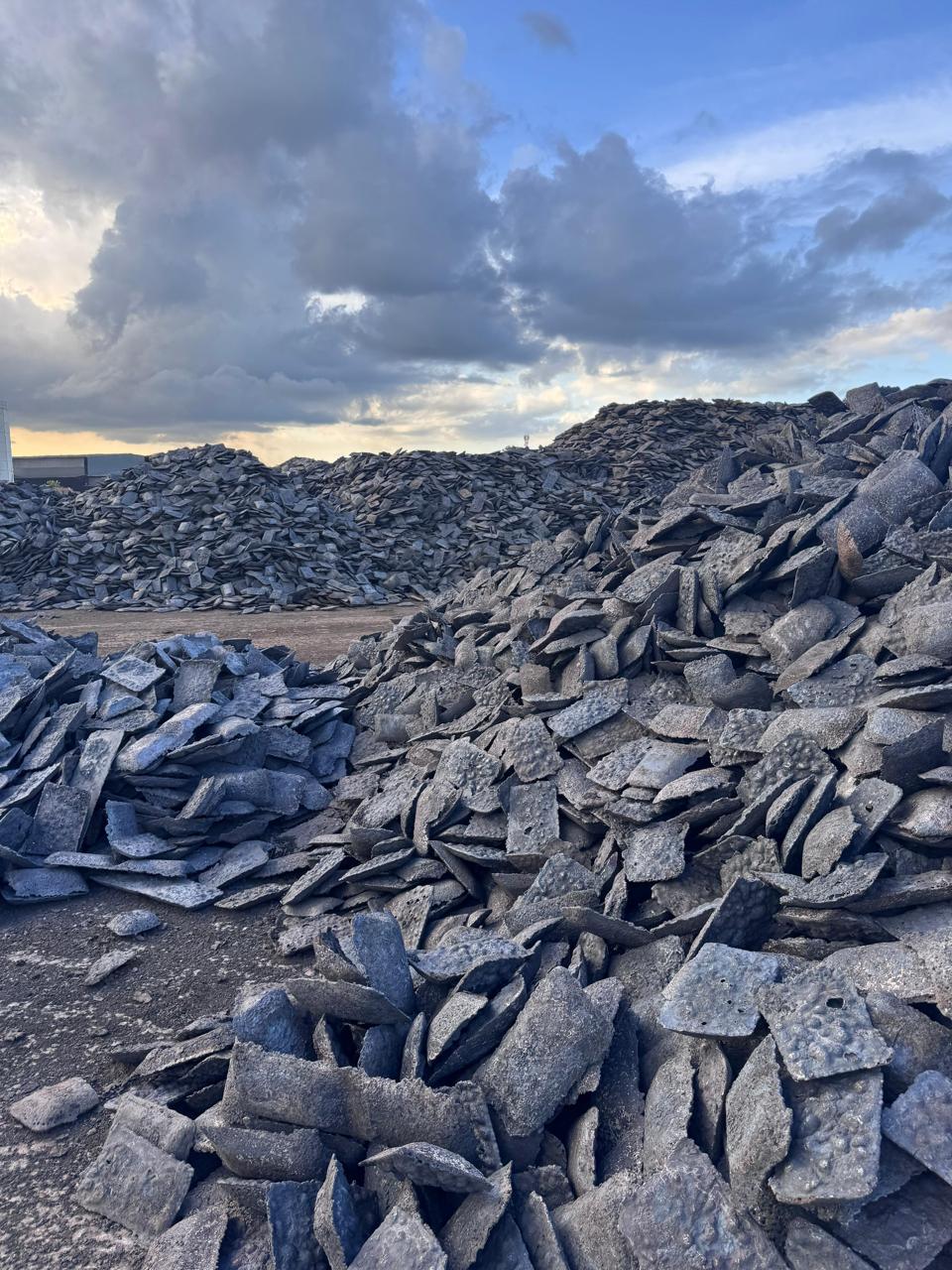

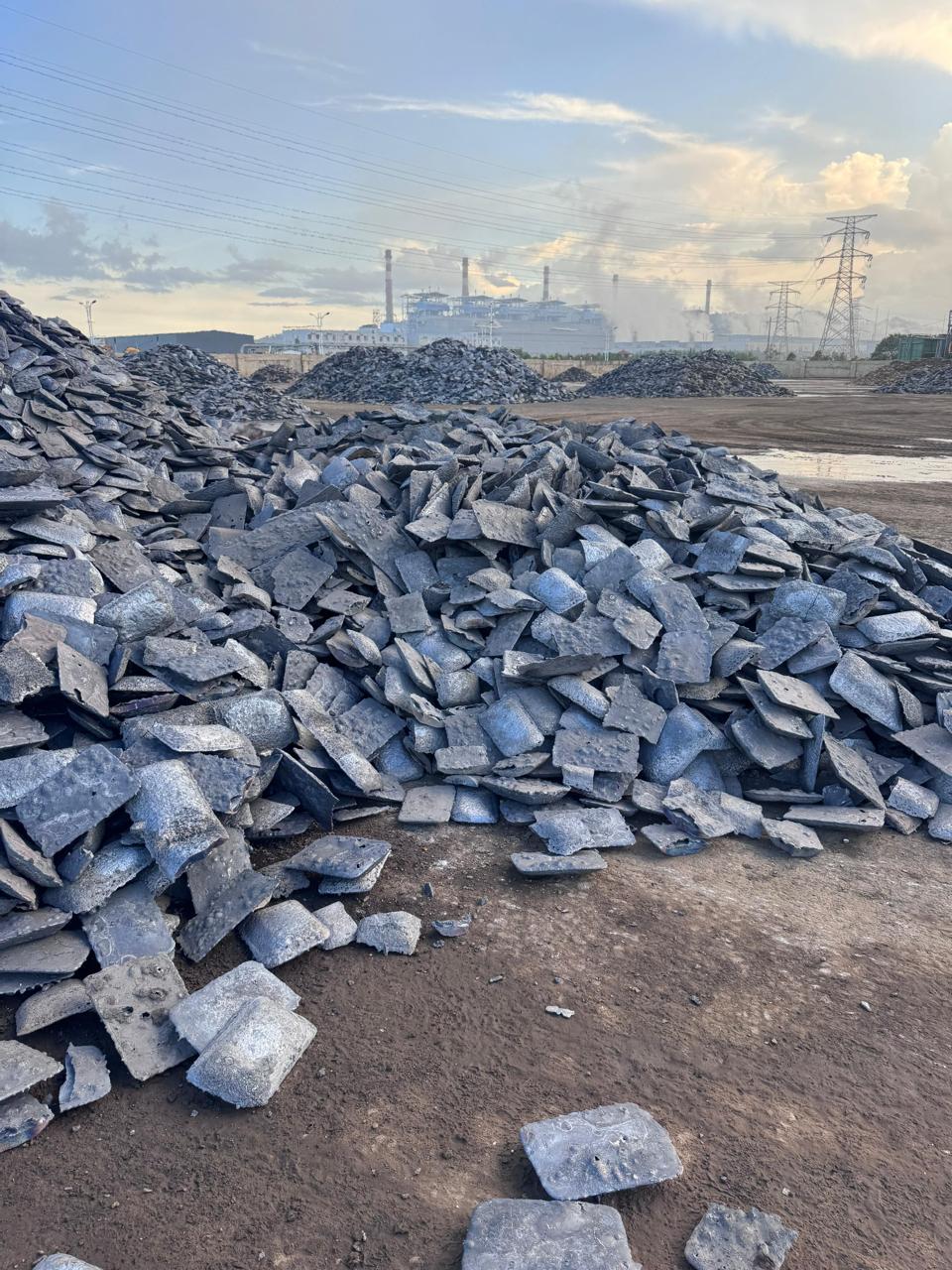
| Specification (%) | |||||
|---|---|---|---|---|---|
| Nickel (Ni) | 0.01% | 7.56 | |||
| Iron (Fe) | 0.01% | 76.56 | |||
| Cobalt (Co) | 0.01% | 0.18 | |||
| Silicon (Si) | 0.01% | 0.76 | |||
| Phosphorus (P) | 0.01% | 0.02 | |||
| Sulfur (S) | 0.01% | <0.01 | |||
| Chromium (Cr) | 0.01% | 13.96 | |||
| Manganese (Mn) | 0.01% | 0.58 | |||
| Copper (Cu) | 0.01% | <0.01 |